From Trim to Siding: Professional Painting Contractor Northampton MA Homeowners Can Count On
A good paint job changes more than color. It sharpens lines, protects wood, hides years of wear, and makes a house feel cared for again. In western Massachusetts, that matters more than many people realize. Homes in Northampton, Southampton, and across the Pioneer Valley take a beating from snow, rain, summer humidity, leaf debris, and bright sun that hits one side of a building harder than the others. Paint is not just decoration here. It is part finish, part weather barrier, part maintenance plan.
That is why choosing a painting contractor Northampton MA homeowners can trust is less about finding the lowest estimate and more about finding the right judgment. Anyone can put paint on a wall. Not everyone can tell when clapboards need drying time after a wet week, when old trim should be repaired instead of buried, or when a deep color shift inside a house requires extra prep to avoid a muddy final result.
Homeowners often start with a specific project in mind, maybe peeling exterior siding, worn kitchen cabinets, a sun-faded deck, or trim that has lost its crisp contrast. Once the work begins, they see how connected these surfaces really are. Exterior siding looks flat if the trim is sloppy. A freshly painted room feels incomplete if the doors and casings are dinged and yellowed. Cabinets can transform a kitchen, but only if the surrounding walls, light, and hardware all work together.
That wider view is where experienced contractors earn their keep.
What homeowners are really hiring when they hire a painter
People tend to think they are hiring labor and materials. In practice, they are hiring sequencing, surface diagnosis, product knowledge, and consistency. The brush and roller matter. The prep matters more.
A professional residential painting contractor does not just ask what color you want. They ask where the peeling occurs, how old the substrate is, whether there was ice damming near the soffits last winter, whether a bathroom lacks proper ventilation, and how much wear a hallway sees from kids, pets, and backpacks. Those questions are not sales tactics. They shape the finish and they reduce callbacks.
Take exterior painting Hampshire County homes, for example. Two houses can sit on the same road and need completely different approaches. One may have older cedar trim that drinks in primer and needs spot repairs. The other may have newer fiber cement siding with chalking that must be washed and properly prepared before any topcoat goes on. If the prep is wrong, both jobs can look fine for a few months and fail early after one hard season.
Inside the house, the same principle applies. A contractor handling interior painting Southampton MA homeowners request for kitchens, bedrooms, and stairwells needs to know where washable finishes make sense and where they create too much sheen. Flat paint can soften a ceiling beautifully. In a mudroom, it may be a mistake. Satin can be durable on trim, but in an older home with patched woodwork it may highlight every imperfection.
That is where experience shows up, not in flashy promises, but in sensible recommendations.
Northampton homes ask for a practical eye
Northampton has a mix of older colonials, capes, farmhouses, multifamily properties, and renovated homes where old and new materials sit side by side. Anyone working regularly in the area learns quickly that no single playbook covers all of them.
Older houses often come with layered paint history. You may find glossy alkyd trim under latex, repaired plaster walls that telegraph sanding marks, or porch components that were patched in stages over twenty years. Newer homes present different issues, including factory-primed surfaces that still need cleaning and adhesion checks, or open interior layouts where one paint choice must carry through multiple lighting conditions.
A seasoned painting contractor Northampton MA clients rely on understands that the visible work starts long before the color goes on. There is a lot of unglamorous labor behind a finish that looks easy: washing, masking, scraping, feather sanding, caulking, patching, priming, and waiting for conditions to cooperate. That waiting part matters. In New England, impatience ruins paint jobs. Wood holds moisture. Humidity slows curing. Morning shade and afternoon sun create different working windows on different sides of the same house.
If you have ever seen paint blister on a south-facing wall or peel first along end grains and joints, you have seen what happens when timing and prep get ignored.
From trim to siding, the details decide the result
Exterior painting gets most of the attention because people can see it from the street. Yet the parts that make or break curb appeal are often the narrow ones: window trim, fascia, corner boards, rakes, porch rails, and entry details.
Trim painting Pioneer Valley homes demands a steadier hand and a stricter prep standard than many homeowners expect. Trim moves, cracks, and traps water at seams. It also frames everything else. If siding is beautifully coated but the trim lines are wavy, caulk Painting Services joints are rough, or nail holes flash through the topcoat, the whole house looks cheaper than it is.
On many houses, the trim is also the first place failure shows. Horizontal surfaces and decorative details catch weather. Caulk shrinks. End grains absorb water. That means trim work is not the place to cut corners. Good contractors know when to remove failed caulk entirely instead of smearing more over it, when to use wood filler versus epoxy repair, and when a board is too far gone to justify coating.
Siding requires a different discipline. Broad wall areas expose lap marks, sheen inconsistency, and uneven coverage. Strong sun can dry one section too fast. Older paint films may look stable but still chalk enough to compromise adhesion. This is why proper washing and testing are such a big part of exterior painting Hampshire County projects. It is not glamorous, but it is what gives the finish a fair chance.
For many homeowners, the ideal result is not a house that looks newly manufactured. It is a house that looks well kept, balanced, and true to itself. That takes restraint as much as effort.
Interior work is where craftsmanship becomes personal
Exterior paint protects the house. Interior paint shapes daily life. People feel that difference immediately.
When clients ask about house painting Southampton Massachusetts interiors, they are often responding to a practical need that has become emotional. A room feels dark. A hallway looks tired. A nursery is on the way. A home office needs to feel calmer. The house may be structurally fine, but the finish no longer matches how the family lives in it.
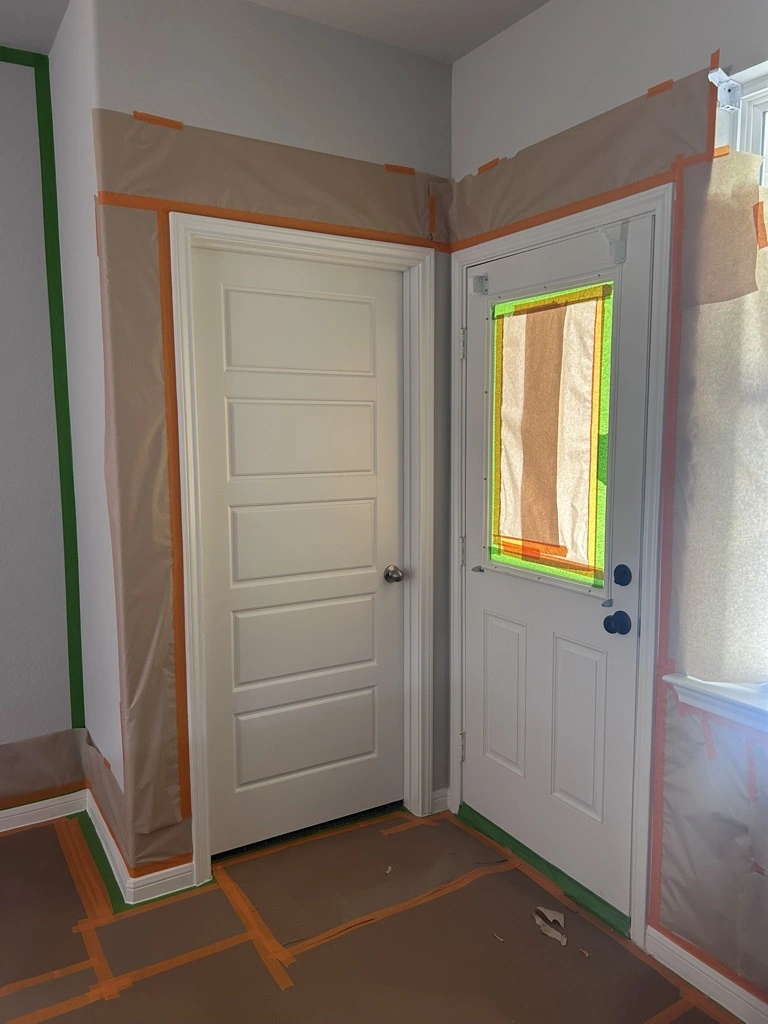
This is where professional prep pays off in ways homeowners notice every day. Clean cut lines where wall meets ceiling. Smooth repairs over old picture hooks and settlement cracks. Doors that close without sticking to fresh paint. Trim that looks crisp rather than gummy. Colors that read correctly morning and evening because the contractor helped test them before committing.
One of the most common disappointments in DIY interior painting is not dramatic failure. It is small visual fatigue. Roller texture that catches side light. Edges that wander. Patches that flash through on eggshell walls. Overlooked nail pops that reappear six weeks later. Professional crews reduce those issues because they have seen them a hundred times and know how to head them off.

The same goes for occupied homes. Painting while people are living in the space is partly a technical job and partly a logistical one. Furniture has to move and be protected. Dust has to be controlled. Work areas have to be reset at the end of the day so the house still functions. That is one reason homeowners often prefer a residential painting contractor who communicates clearly and stages work in a sensible order.
Cabinet painting is its own trade within the trade
Many people group cabinet painting with wall painting because both involve paint. The similarity ends there.
Cabinet painting lives or dies on surface preparation, product compatibility, curing time, and handling. Kitchen cabinets get touched far more than walls. They face grease, moisture, abrasion around pulls, and constant cleaning. A finish that looks nice on day one but softens, chips, or gums up around doors is not a success.
When done well, cabinet painting can dramatically improve a kitchen or bath without the cost and disruption of full replacement. But it is not a shortcut job. Doors and drawer fronts often need to come down, be cleaned thoroughly, sanded or chemically prepared depending on existing finish, primed with the right bonding system, and top coated in a way that balances durability and appearance. Dry time and cure time are not the same thing, and homeowners benefit when someone explains that clearly before the work starts.
The best cabinet jobs also account for the surrounding room. A bright white door may look perfect under shop lights and too stark once it sits next to warm oak floors and cream toned counters. Slight shifts in undertone matter. So does sheen. A finish that is too glossy can make every profile line and touchup obvious. Too flat, and cleaning gets harder.
This is a place where the cheapest estimate often becomes the most expensive mistake.
Decks, fences, and the Massachusetts climate
Deck and fence painting Massachusetts properties sounds straightforward until you look at what outdoor wood actually goes through in a year. Foot traffic, standing snow, leaf tannins, sprinklers, UV exposure, and freeze-thaw cycles all work against film-forming finishes. A product that is wrong for the substrate or applied over damp wood can peel in strips long before the homeowner feels they got fair value.
This is why honest contractors are cautious with decks. Sometimes the right answer is not paint at all. Sometimes it is a stain system, sometimes a solid-color product, sometimes a maintenance wash and delay until moisture levels are appropriate. A contractor who talks you out of the wrong finish is usually doing you a favor.
Fences have their own challenges. One side may face shade and hold moisture, while the other bakes in direct sun. Ground contact and splashback accelerate wear at the bottom. Knot bleed, sap pockets, and rough-sawn texture can all affect the final appearance. If the goal is longevity, product selection has to match those realities.
Homeowners appreciate candor here. A durable finish on a vertical cedar fence can be a realistic goal. A high-traffic deck with full southern exposure will almost always need more regular maintenance, no matter who applies the coating. Clear communication about that prevents frustration later.
Commercial spaces need a different kind of planning
Commercial painting services call for a slightly different skill set, even when the coatings are familiar. The work has to respect business operations, public access, scheduling constraints, and a higher demand for predictability.
In a retail or office setting, the biggest challenge is often not the paint itself. It is sequencing. Work may need to happen in phases so entrances stay open. Odor control may matter. Weekend or evening schedules may be necessary. Wall protection in corridors, stairwells, and tenant spaces takes on extra importance when foot traffic never really stops.
The finish expectations can differ too. In commercial environments, durability and touch-up logic matter as much as beauty. A color that looks elegant but is impossible to patch cleanly in a busy hallway may not be the best long-term choice. An experienced contractor will talk through those trade-offs instead of just agreeing to whatever looks good on a swatch.
That practical planning is one reason many property owners return to the same crew repeatedly. Reliability matters in houses. In commercial spaces, it becomes essential.
How to recognize a contractor who knows the work
Homeowners do not need to become paint chemists to hire well, but a few signs separate serious professionals from people who simply own ladders and brushes.
A capable contractor usually speaks in specifics. They can explain how they will prep failing areas, what kind of repairs are included, where they expect risks, and how weather or humidity may affect scheduling. They do not promise that every project is effortless. They explain what they know, what they need to inspect further, and where the variables are.
They also understand that not every part of a house should be treated the same way. Bathrooms, ceilings, cabinets, porch floors, clapboards, and crown molding all ask for different products and prep standards. That sounds obvious, but many disappointing jobs come from a one-size-fits-all mindset.
A few practical questions can tell you a lot:
- How will you prepare the surfaces before painting, and what is included in that prep?
- What conditions might delay the work, especially on exterior projects?
- How do you handle repairs to trim, small wood rot areas, or failed caulk joints?
- Which products do you typically use for walls, trim, siding, or cabinets, and why?
- What should I expect during curing, cleanup, and normal maintenance afterward?
The answers do not need to be technical for the sake of sounding impressive. They should be clear, grounded, and tailored to your house.
Why local familiarity matters
A company working regularly in this region has an advantage that is easy to overlook. They know how the seasons behave here. They know which elevations stay damp, which neighborhoods get hit by wind-driven weather, and how older valley homes tend to age. That kind of local familiarity sharpens decision-making in ways homeowners benefit from quietly.
For example, interior painting Southampton MA homes may involve older plaster and settled trim profiles that need patience during prep. Exterior painting Hampshire County properties often means planning around spring rains, pollen, summer humidity, and shorter fall daylight. Trim painting Pioneer Valley houses can reveal old repairs that looked fine until sanding exposed them. None of this is unusual to a contractor who works nearby all the time.
That is part of why local names like Arcadia Painting Co tend to stay top of mind when homeowners ask neighbors for recommendations. Reputation in this kind of work is built house by house. People remember whether a crew showed up when they said they would, protected shrubs, communicated about weather delays, and left crisp results instead of excuses.
The cost question homeowners always ask
Price matters. It should. Painting is an investment, and homeowners deserve clarity about what they are paying for. Still, the cheapest estimate can hide the most expensive omissions.
A lower price may reflect thinner prep, fewer repairs, lower-grade materials, rushed scheduling, smaller crew capacity, or simple inexperience. It may also exclude things the homeowner assumed were included, such as extensive scraping, priming bare wood, removing failed caulk, or painting the less visible elevations and details that complete the job.
That does not mean the highest price is automatically best. It means estimates need context. Compare scope, not just totals. Ask what happens if additional wood repair is uncovered. Ask whether shutters, doors, railings, and foundations are included. Ask how many coats are expected over major color changes. Ask whether cabinet interiors, backs of doors, or shelf surfaces are part of the plan.
The fairest estimate is usually the one that makes the process legible.
What a lasting paint job feels like after the crew leaves
The real test of painting happens after the ladders are gone and normal life resumes. Good work settles into the house naturally. You stop noticing flaws because there are fewer of them. Light reflects more evenly. Rooms feel cleaner. Exterior lines look sharper from the driveway. The front entry has more presence. The kitchen feels current again without having been torn apart.
Lasting value often comes from modest, disciplined choices rather than dramatic ones. A refined trim color that gives old casings definition. A siding finish that suits the architecture instead of chasing a trend. Cabinet painting that respects the fixed elements already in the room. Deck and fence painting Massachusetts homeowners can maintain without constant frustration.
That kind of result is rarely accidental. It comes from experience, prep, product knowledge, and honest communication from the start.

For homeowners searching for a painting contractor Northampton MA can count on, that is the standard worth holding. Not just fresh color, but sound work from trim to siding, from walls to cabinets, from curb appeal to daily use. When the contractor understands both the craft and the climate, the house shows it.
Arcadia Painting Co | 3 Jeanne Circle, Southampton, MA 01073 | (413) 779-8338 | https://arcadiapaintingco.com - Arcadia Painting Co is a locally owned, family-run painting contractor based in Southampton, Massachusetts, serving homeowners and businesses throughout Hampshire County and the Pioneer Valley, including Easthampton, Northampton, Westhampton, Florence and Leeds. We specialize in interior painting, exterior painting, deck and fence painting, and trim work for residential and commercial properties. Our crews are background-checked, and we are fully licensed (MA HIC #219883) and insured. Every project is backed by our 4-year warranty. Call (413) 779-8338 or visit arcadiapaintingco.com to request a free estimate.